
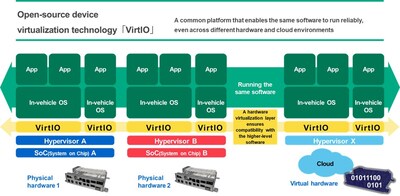
Panasonic Automotive Systems has reached a significant milestone in automotive technology with the industry-wide endorsement of its VirtIO device virtualization standardization initiative. Top automakers and leading tech partners are now backing this standard, aiming to revolutionize software development speed and flexibility for the next generation of vehicles.
Global Automakers Endorse VirtIO for Automotive Innovation
Major automotive companies such as Honda, Mazda, Mitsubishi, Nissan, and Toyota have come together to support VirtIO standardization. Their collaboration signals a shared vision for the future of Software-Defined Vehicles (SDVs). Representatives from each automaker emphasized the importance of a hardware-agnostic, open-source platform that facilitates faster software development and long-term adaptability. This unified endorsement underscores the need for consistent software quality and interoperability across various vehicle models and brands.
Benefits of VirtIO Standardization in Software-Defined Vehicles
The introduction of a VirtIO-compliant in-vehicle software platform brings several key advantages to the automotive industry:
- Hardware independence enables flexible software updates and scalability.
- Accelerated development cycles as software can be built and tested before vehicle hardware is ready.
- Continuous improvement through over-the-air updates and easier integration of new features.
- Enhanced collaboration between automakers, IT companies, and semiconductor manufacturers.
VirtIO thus serves as a foundational technology for the SDV era, fostering innovation while ensuring the reliability and longevity of automotive software assets.
Industry Leaders Back Panasonic’s VirtIO Ecosystem Expansion
Leading technology firms like Amazon Web Services, AMD, Arm, Google, MediaTek, Qualcomm, Renesas, and Telechips are joining automakers in supporting VirtIO. These partners believe open-standard virtualization will enhance development speed, ecosystem growth, and future innovation. Industry groups such as Automotive Grade Linux and the Eclipse Foundation also praised Panasonic Automotive Systems for its technical leadership. Collectively, these entities are shaping a more interoperable and sustainable automotive software ecosystem.
In summary, VirtIO automotive standardization has garnered broad support from automakers and global tech leaders. This unified initiative is setting the stage for a new wave of accelerated software innovation, smoother in-vehicle experiences, and a truly open ecosystem for Software-Defined Vehicles. As VirtIO evolves, it promises to reshape the automotive industry’s approach to both software and hardware, delivering greater value for manufacturers and drivers alike.
Don’t miss our latest Startup News: Tequity Advisors Boosts M&A Strength With ServiceNow Expert Hire